

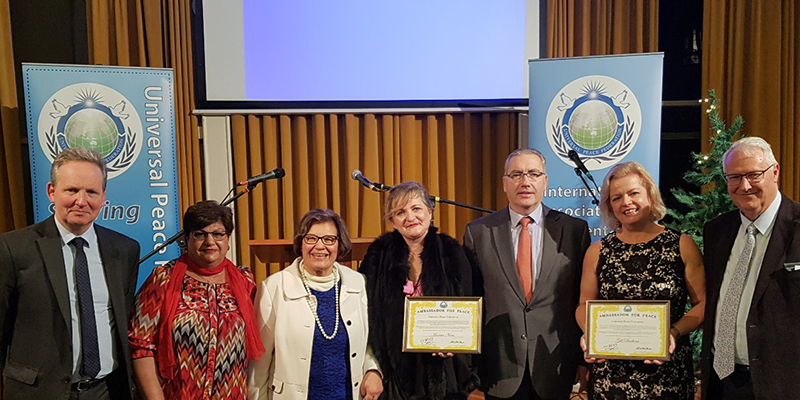
Peace Ambassadors
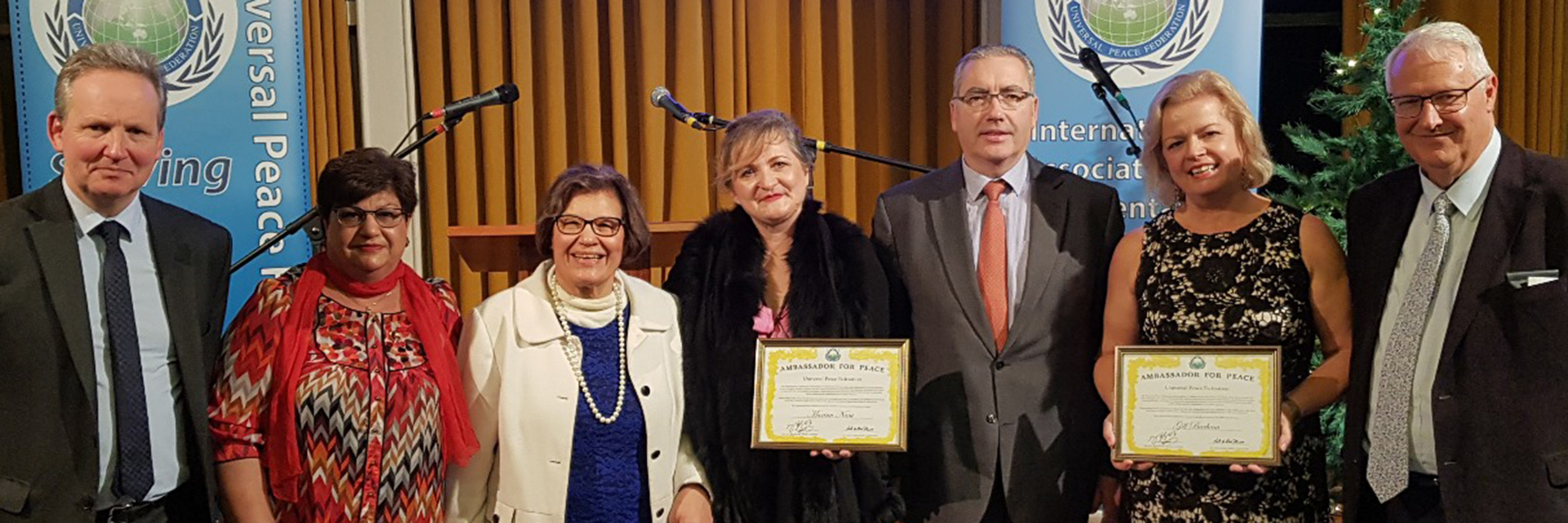
Peace Ambassadors
Definition and Criteria
- Stand on the common ground of universal moral principles, promoting reconciliation, overcoming barriers, and building peace.
- Form a global network representing the diversity of the human family and all disciplines of endeavor.
- Promote cooperation beyond boundaries of religion, race, ethnicity, and nationality.
- Practice “living for the sake of others” as the guiding principle for building a global community.
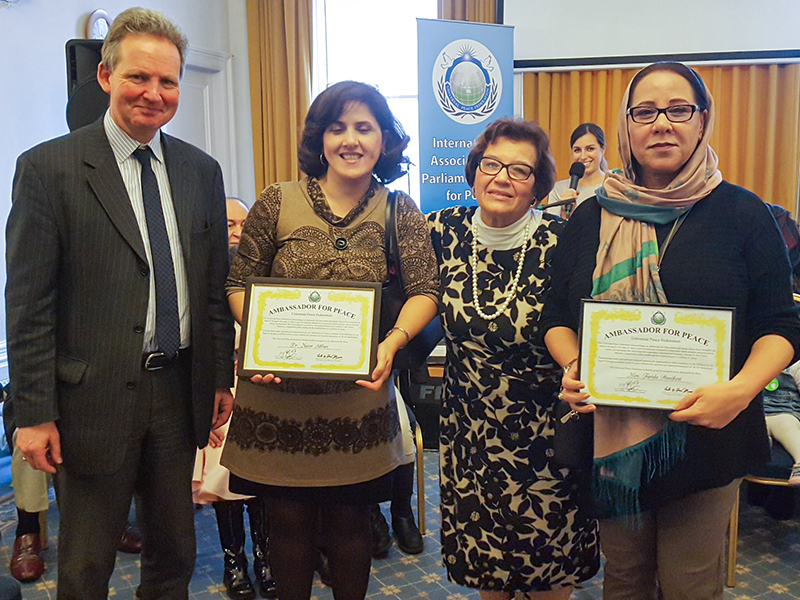
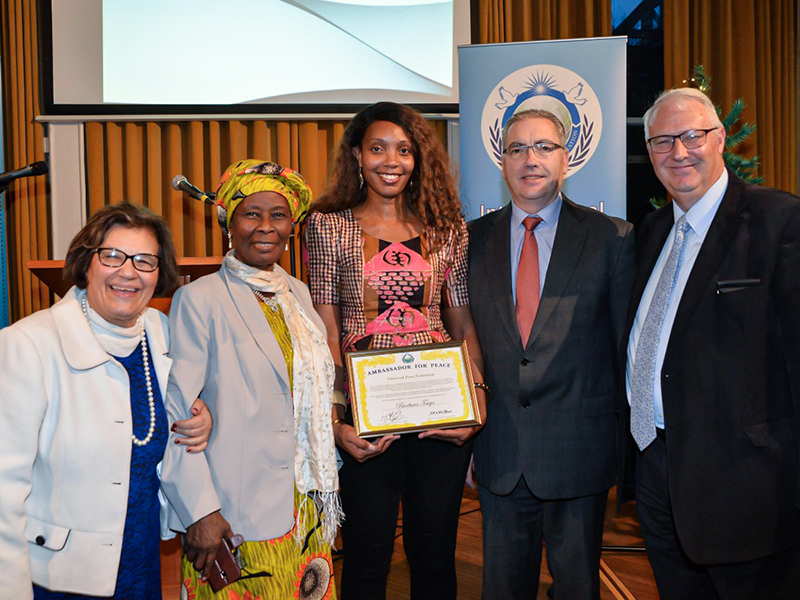
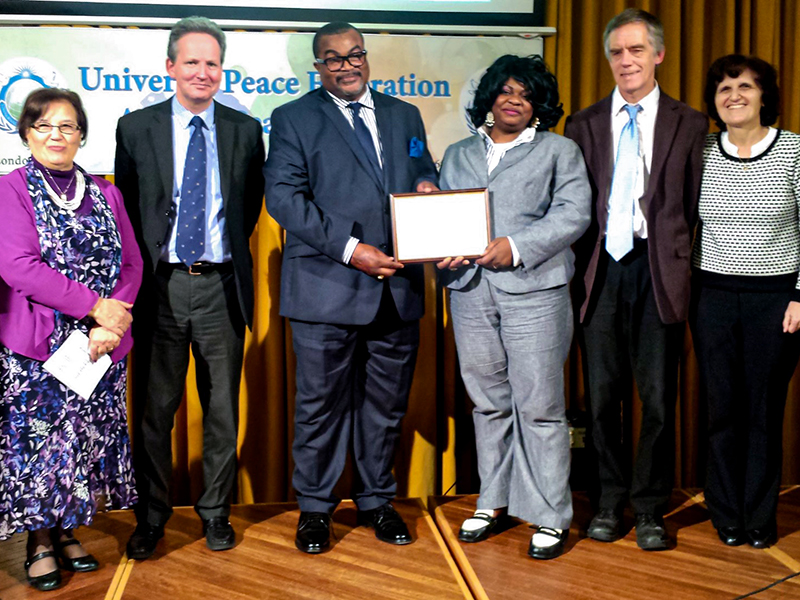
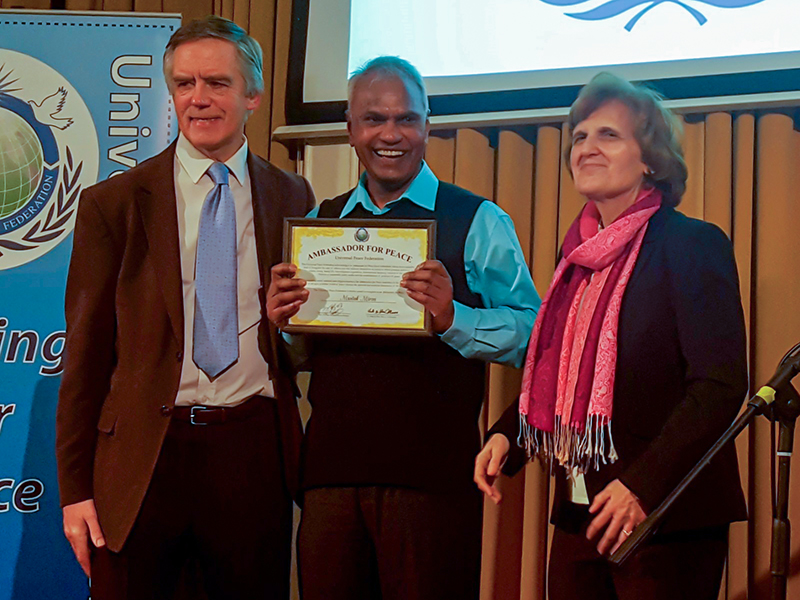
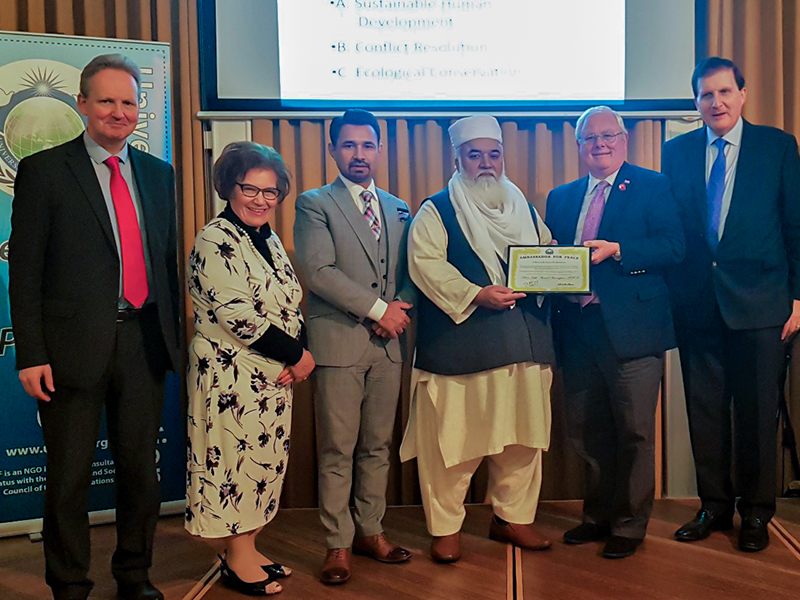
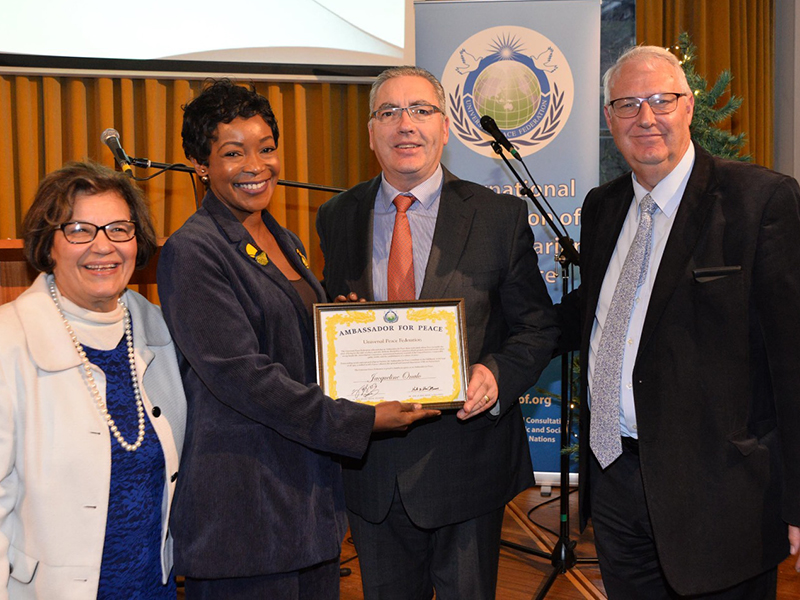
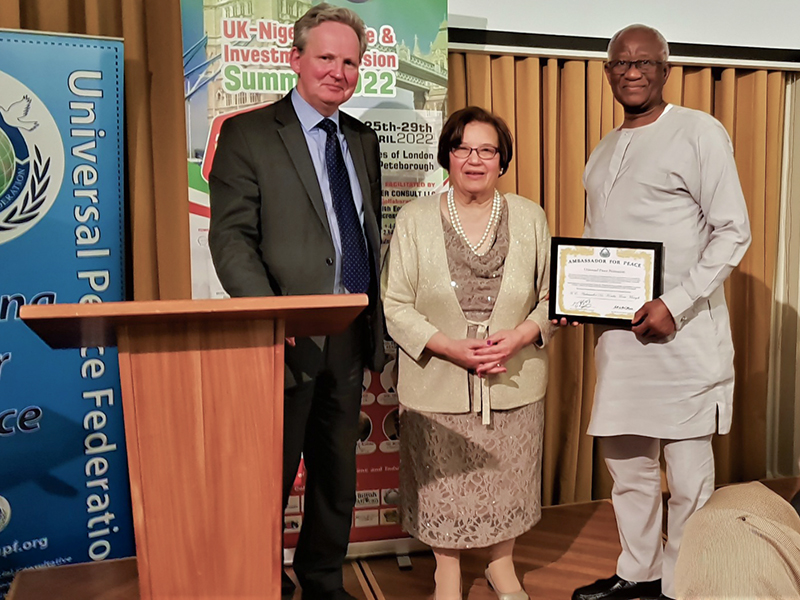
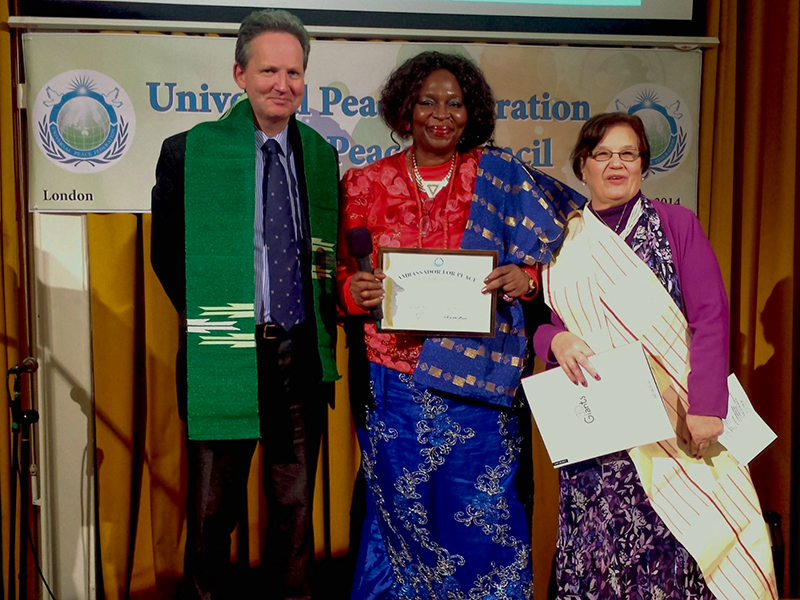
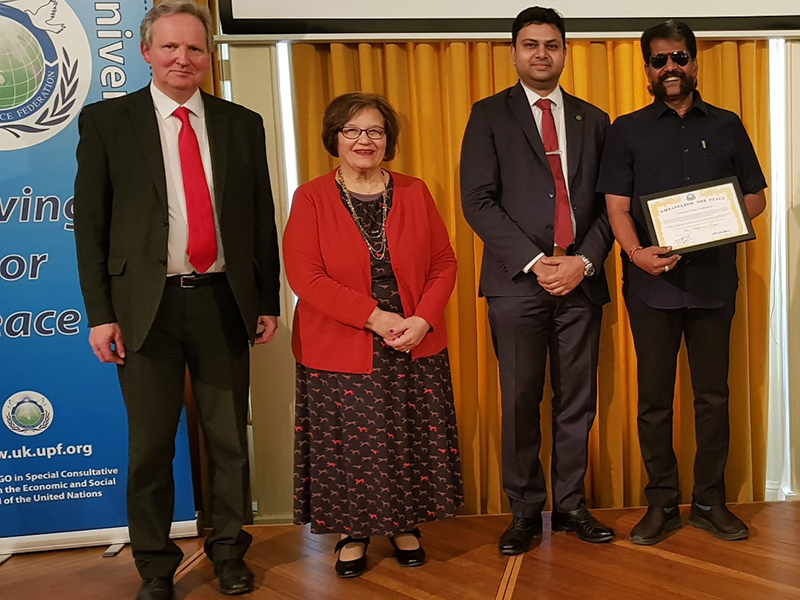
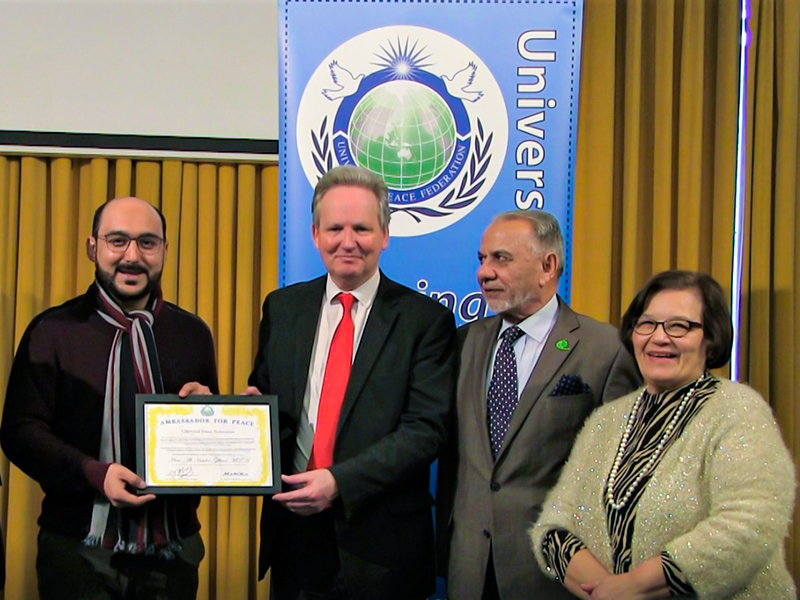
Some Examples

Definition and Criteria
- Stand on the common ground of universal moral principles, promoting reconciliation, overcoming barriers, and building peace.
- Form a global network representing the diversity of the human family and all disciplines of endeavor.
- Promote cooperation beyond boundaries of religion, race, ethnicity, and nationality.
- Practice “living for the sake of others” as the guiding principle for building a global community.
Qualifications
Below are our criteria for nominating Ambassadors for Peace:
- Recommendation by a Senior Member of UPF or an organization affiliated with UPF.
- It is recommended that a prospective Ambassador for Peace takes time to become familiar with the Universal Peace Federation (UPF) and actively engages with its activities. Similarly, UPF should have the opportunity to get to know the nominee over several months before confirming their appointment as an Ambassador for Peace.
Qualifications
Below are our criteria for nominating Ambassadors for Peace:
- Recommendation by a Senior Member of UPF or an organization affiliated with UPF.
- It is recommended that a prospective Ambassador for Peace takes time to become familiar with the Universal Peace Federation (UPF) and actively engages with its activities. Similarly, UPF should have the opportunity to get to know the nominee over several months before confirming their appointment as an Ambassador for Peace.
Principles
- We are one human family created by God. The way to rise above the pursuit of self-interest is to recognize our common humanity, given to us by our Creator. Just as a parent can intercede in the disputes of children, the parental heart originating from the Creator can help us resolve the differences that exist between nations, cultures and religions.
- The highest qualities of the human being are spiritual and moral in nature. Human beings long for truth, beauty and goodness. Life’s deepest meaning and purpose can be found through their pursuit. Each person has an eternal spirit that transcends physical life. Spiritual principles are to be practiced in this life so that we are prepared for the eternal world.
- The family is the “school of love and peace.” In the family, the most basic personal and public virtues are learned. Understanding the family as the school of love helps us to recognize that family is the most essential institution. The foundation for a healthy family is a faithful, committed marriage.
- Living for the sake of others is the way to reconcile the divided human family. By practicing living for the sake of others, we become other-centered rather than self-centered. The essence of good character is true love expressed through unselfish actions.
- Peace comes through cooperation beyond the boundaries of ethnicity, religion and nationality. Lasting peace cannot be achieved through political compromise alone, but requires addressing the root causes of conflict. Transcending racial, religious and ethnic barriers is an imperative of our time. Faith can give people the power to forgive, and the love to overcome even generations of hatred, resentment and violence.
Principles
- The highest qualities of the human being are spiritual and moral in nature. Human beings long for truth, beauty and goodness. Life’s deepest meaning and purpose can be found through their pursuit. Each person has an eternal spirit that transcends physical life. Spiritual principles are to be practiced in this life so that we are prepared for the eternal world.
- The family is the “school of love and peace.” In the family, the most basic personal and public virtues are learned. Understanding the family as the school of love helps us to recognize that family is the most essential institution. The foundation for a healthy family is a faithful, committed marriage.
- Living for the sake of others is the way to reconcile the divided human family. By practicing living for the sake of others, we become other-centered rather than self-centered. The essence of good character is true love expressed through unselfish actions.
- Peace comes through cooperation beyond the boundaries of ethnicity, religion and nationality. Lasting peace cannot be achieved through political compromise alone, but requires addressing the root causes of conflict. Transcending racial, religious and ethnic barriers is an imperative of our time. Faith can give people the power to forgive, and the love to overcome even generations of hatred, resentment and violence.